Ask for chrome, cat-eye, or jelly by name and you may get three very different manicures depending on how the words are understood. So here are the plain definitions first. Chrome is not a color: it is a fine metallic powder rubbed over cured gel and sealed, giving a mirror surface. Cat-eye is a magnetic gel polish whose particles are pulled into a glowing band with a magnet before curing. Jelly is a translucent gel tint, worn sheer or layered, with the natural nail faintly visible through it. Same shelf of photos, three different products.
Work down this checklist in order when you choose. Each line has a pass and a fail sign, and the finish that passes all of your lines is the one to book in York.
The finish checklist
Six checks before you pick a finish
- Check 1, the base under it. Chrome passes only over a smooth nail or a smooth overlay. Ridged, peeling natural nails fail chrome, because the mirror layer shows every bump beneath it.
- Check 2, where the effect lives. Cat-eye passes if you want durability, since its shimmer is distributed through the gel itself. Jelly passes if you want depth you can see into. Chrome fails the durability check: its effect lives in the topmost layer, the first place wear happens.
- Check 3, the light test. Cat-eye changes as your hands move, looking different in sun and in office light. Pass it if that movement is the point. Fail it if you need your nails to read as one flat, consistent color in work photos and video calls.
- Check 4, grow-out tolerance. Jelly in a sheer or milky tint hides grow-out best, because there is no hard line of color at the cuticle. Opaque cat-eye shows a clean, obvious regrowth line by week two. Chrome shows both grow-out and tip wear.
- Check 5, stain exposure. Pale jelly and light cat-eye shades stain visibly from curry, tomato sauce, hair dye, and new dark denim. If your week involves those, pass only the deeper shades, or gloves.
- Check 6, repair reality. A damaged chrome nail cannot be patched invisibly at home, and neither can a magnetic pattern. If you are hard on your hands and far from the salon, jelly over a strong base is the most forgiving failure mode.
How each one is applied
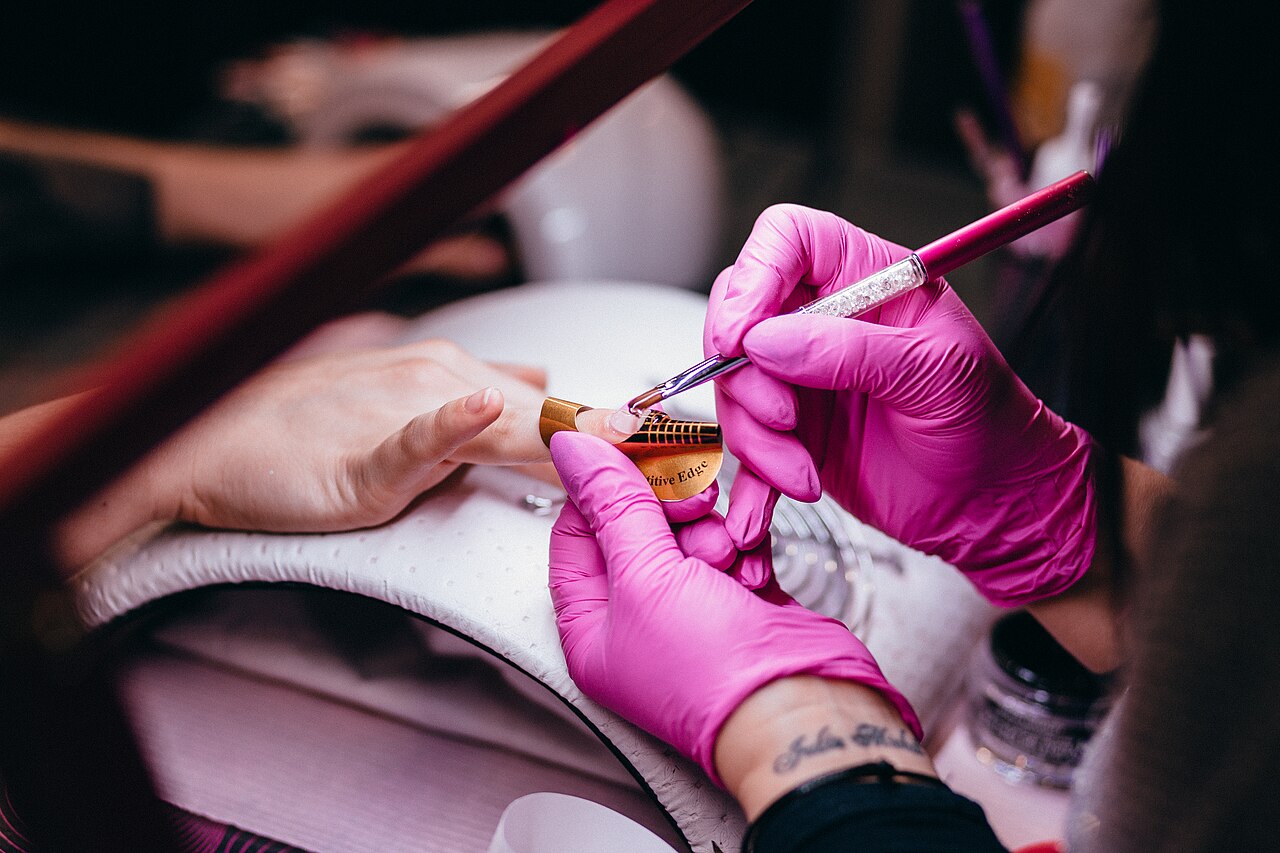
Chrome goes on last in the build: gel base and color cure first, then the powder is burnished over a no-wipe top surface with a soft applicator and sealed with top coat. The whole mirror effect can be lost if the sealing coat is thin at the tips, which is why chrome wear almost always starts there. Cat-eye goes on as the color itself: the technician paints a coat, hovers the magnet to gather the particles into a line or soft halo, and cures quickly before the pattern drifts. Jelly is the simplest application, thin coats of tinted gel, and the skill is in stopping at the right depth, since one coat too many turns a jelly into an ordinary opaque color.
Wear reports, without the gloss
Plan chrome around its best days, which are the first ones. It is the finish people notice across a room and the finish that shows a week of York summer fastest: sunscreen, pool water, and hand washing all take the edge off the mirror at the tips. Cat-eye wears like the gel manicure it is, with grow-out as its main deadline. Jelly wears well too, with a footnote: because you can see through it, the white free edge of your nail becomes more visible as the nail grows, so the set can look finished sooner than it feels.
At Star Nails in York, the fastest way to land on the right finish is to say what you need it to survive: a wedding weekend, a fortnight of typing, a holiday with swimming. The checklist above does the rest, and it tends to give a different answer than the photo that started the conversation.
Common questions
Can chrome go over regular polish?
Salon chrome is made for cured gel surfaces and needs a gel seal to last. Over regular polish it rubs off within a day or two of normal hand use.
Why does my cat-eye band move or blur?
The pattern is set by a magnet before curing. If the magnet is held too far away or curing is delayed, the particles drift and the band softens, which a technician can redo on the spot.
Is jelly the same as a sheer polish?
In look, yes; in wear, no. Jelly here means translucent gel, cured under a lamp, so it lasts like a gel manicure rather than chipping like a regular sheer polish.
Photos in this guide are representative stock images.
← All guides from Star Nails← Back to Star Nails