Feet rarely ask for help in general terms. They present a symptom: heels that catch on the sheets, a callus that keeps coming back in the same spot, lower legs that ache by the end of a shift, skin so dry that lotion seems to vanish. A basic pedicure handles nails and polish. A spa pedicure adds scrubs, a mask, hot towels, and longer massage. The useful way to choose between them in York is troubleshooting order: name the symptom first, find its likely cause, then decide whether the fix is a spa step, a home habit, or a professional outside the salon.
Symptom: heels rough enough to snag fabric
Likely cause: layered dead skin on the heel, thickened fastest by open-backed shoes and barefoot time on hard floors. The spa fix is the combination of callus reduction and exfoliating scrub, followed by moisturizer on freshly cleared skin. The home fix that holds it is nightly moisturizer and a gentle pumice on damp skin once or twice a week. The call-a-professional line: a crack that splits open, bleeds, or hurts to walk on, or any heel problem at all alongside diabetes, which moves foot care into medical territory.
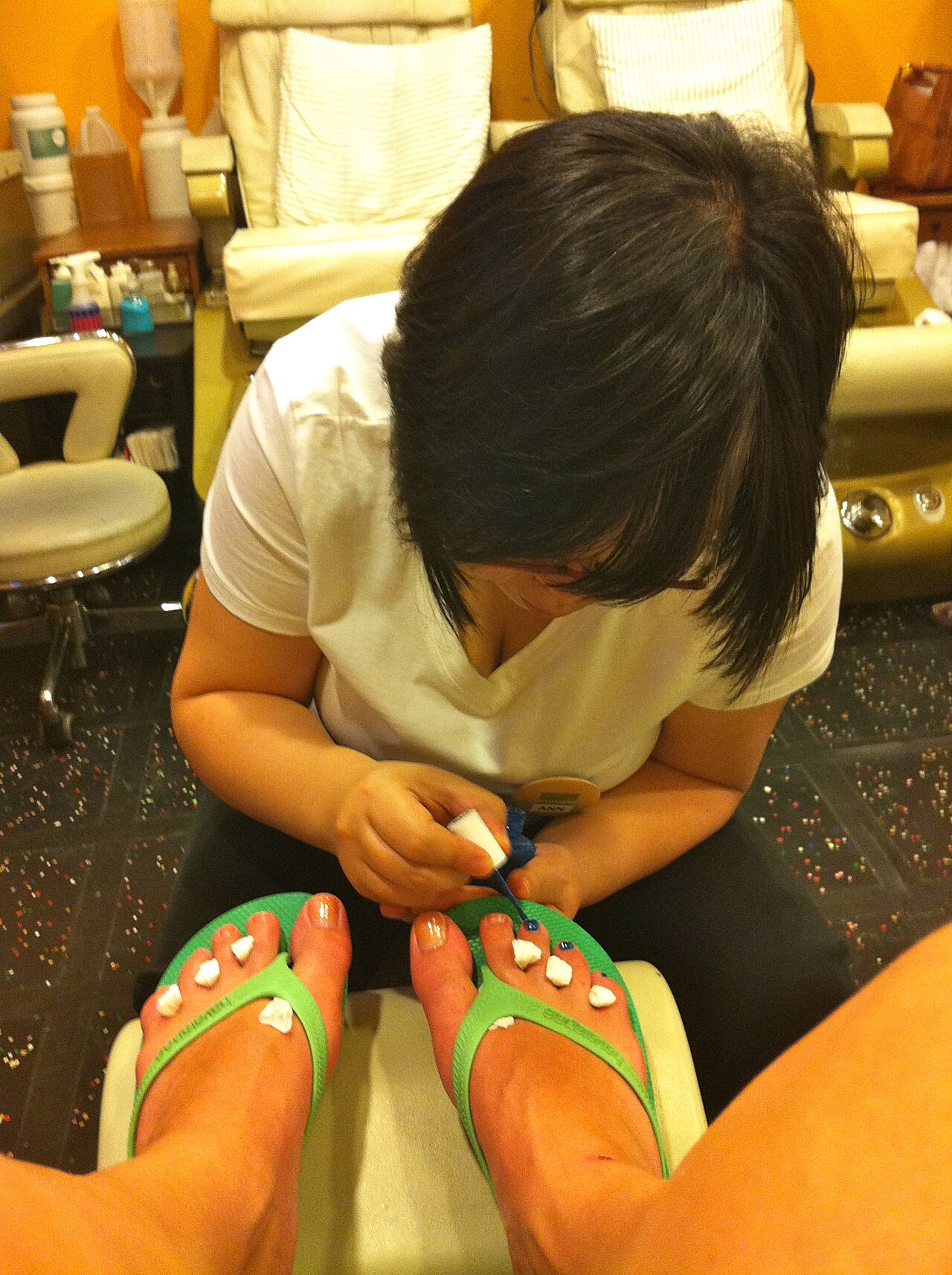
Symptom: one stubborn callus spot that always returns
Likely cause: pressure in the same place with every step, from foot shape, gait, or a shoe that loads one point of the ball or heel. Salon callus work will smooth it, and it will return, because the pressure that built it is still there. That loop is normal and manageable on a regular pedicure cycle. What is not normal is a callus that grows fast, hurts out of proportion, or has a cluster of tiny dark specks in it, which can be a wart rather than callus. That version belongs to a podiatrist or doctor, not to more filing.
Symptom: legs that ache and feel heavy after work
Likely cause: long standing on hard surfaces, common in retail, healthcare, and warehouse work around York. This is the symptom the extended spa massage and hot towels are built for. Warmth first, then sustained work on the arch and calf, addresses the ordinary muscular ache of a standing day better than the brief lotion application in a basic pedicure. The boundary is clear, though: swelling that affects one leg, redness with heat in the calf, or ache that persists for days regardless of rest are medical signs, and a massage should not be used to work around them.
The spa sequence as a fix list
- Soak and inspect. The soak softens skin and nails while the technician checks for cracks, sore spots, and anything that should not be worked on.
- Nails and cuticles. Trimming, shaping, and cuticle care come first, the foundation shared with a basic pedicure.
- Callus reduction, then scrub. Thickened areas are reduced evenly, and the scrub clears the loose surface layer from feet and lower legs.
- Mask under hot towels. A hydrating mask rests under warm towels so the moisture treatment reaches dry skin instead of sitting on it.
- Extended massage. Sustained foot and lower leg work, the main answer to end-of-shift ache.
- Finish. Polish, or a buffed natural finish, once the skin work is complete.
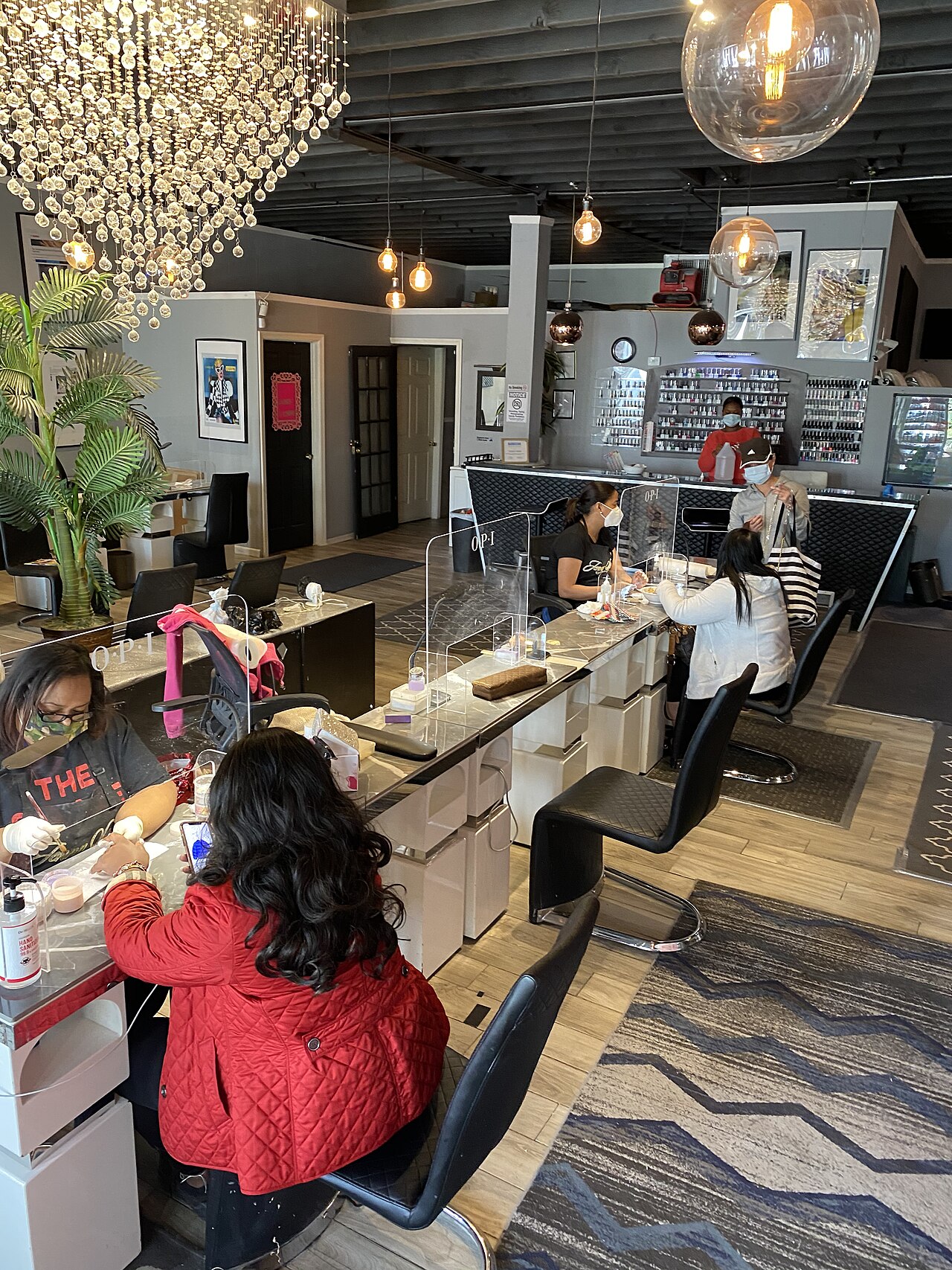
The pattern across all three symptoms is the same one used at Star Nails in York: surface problems with a clear cause are salon work, patterns that will not respond or that involve pain, heat, or one-sided swelling are referrals. Choosing the spa pedicure by symptom rather than by habit keeps the longer appointment pointed at the problem you actually brought in.
How often does troubleshooting point to the spa version?
Not at every visit. A workable pattern for most people is to use the basic pedicure for routine maintenance and book the spa version when a symptom from this guide shows up: heels starting to roughen, skin getting ahead of home moisturizer, or a run of standing shifts leaving legs sore. Seasonal timing helps too. A spa pedicure at the start of sandal season clears a winter of build-up in one visit, and one before the holidays handles the standing and shopping load better than three basic visits spread thin.
Common questions
Which spa step helps dry skin the most?
The mask with hot towels, because exfoliation happens first. Moisturizer applied after a scrub and a warm mask reaches skin that lotion alone sits on top of.
My callus always grows back. Is the pedicure failing?
No. Callus follows pressure, and the pressure is still in your step and your shoes. Regular reduction keeps it thin and crack-free, which is the realistic goal.
When should I skip the massage part?
Skip it and seek medical advice if one leg is swollen, hot, or red, or if you have a recent injury. Ordinary end-of-day ache in both legs is the case massage is for.
Photos in this guide are representative stock images.
← All guides from Star Nails← Back to Star Nails